
Exploring the psychological triggers that drive casino gambling behavior
Exploring the psychological triggers that drive casino gambling behavior
The Allure of Risk and Reward
The thrill of gambling often stems from the allure of risk and the possibility of reward. Many people are naturally drawn to uncertainty, and gambling offers a tantalizing scenario where small investments can lead to substantial gains. In this context, exploring options such as new crypto casino no kyc can add an extra layer of excitement. The excitement that accompanies placing a bet can trigger adrenaline, prompting gamblers to seek out those sensations repeatedly. This cycle can lead to prolonged gambling sessions, as the allure of a potential win keeps players engaged.
Furthermore, the human brain is wired to respond to rewards. When individuals experience a win, even if it’s modest, dopamine is released, reinforcing the behavior and encouraging them to gamble again. This biological response creates a feedback loop, whereby wins lead to emotional highs, and players chase that feeling, often underestimating the risks involved. The brain’s reward system becomes a driving force behind gambling behavior, illustrating how psychological triggers can compel people to return to casinos time and again.
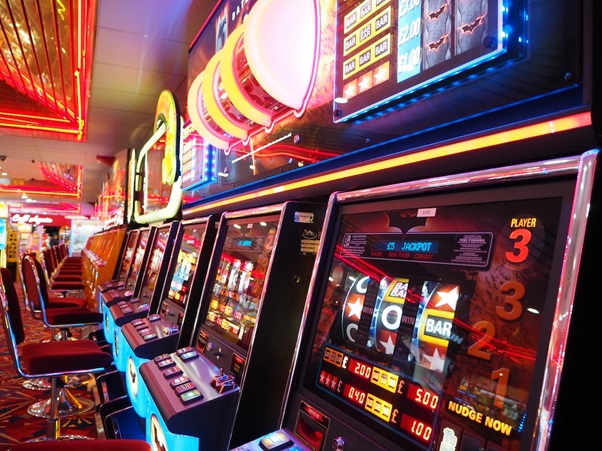
Additionally, the environment in a casino is designed to amplify these feelings of excitement and anticipation. From the sounds of slot machines to the visual stimulation of flashing lights, everything is tailored to enhance the gambling experience. These factors create a sensory-rich environment that can magnify the psychological triggers present in gambling, drawing players in and making it difficult to resist the temptation to play, regardless of the associated risks.
The Role of Cognitive Biases
Cognitive biases significantly influence gambling behavior, often leading players to make irrational decisions. One of the most common biases in gambling is the illusion of control, where players believe they can influence outcomes in games of chance, like roulette or slot machines. This misconception can result in players betting more frequently than they should, convinced that their actions will sway the results in their favor. These biases distort perceptions, making it challenging for gamblers to recognize when to stop.
Another prevalent cognitive bias is the gambler’s fallacy, where individuals believe that past outcomes will influence future ones. For example, a player may think that if a particular number hasn’t appeared on a roulette wheel for several spins, it is “due” to show up. This flawed reasoning can lead to repeated betting on specific outcomes, perpetuating the cycle of gambling and increasing the likelihood of loss. Understanding these biases can shed light on why some individuals struggle to break free from the gambling habit.
Furthermore, casinos often exploit these cognitive biases through their marketing strategies. By emphasizing wins, showcasing players celebrating jackpots, and minimizing losses, casinos reinforce the belief that gambling can lead to favorable outcomes. These promotional tactics contribute to an environment where cognitive biases flourish, making it increasingly difficult for players to make rational decisions about their gambling behavior and ultimately pushing them further into the casino’s grasp.
The Social Dynamics of Gambling
The social context of gambling plays a crucial role in driving behavior, often making it a communal experience. Many gamblers enjoy the company of others when they play, which can enhance the excitement and enjoyment of the activity. This social element can create a sense of belonging and camaraderie among players, encouraging individuals to gamble more frequently. In many cases, the thrill of winning is amplified when shared with friends or fellow players, contributing to a culture of gambling that encourages ongoing participation.
Additionally, peer pressure can be a significant factor in gambling behavior. Individuals may feel compelled to participate in gambling activities to fit in or impress their friends. This influence can lead to increased gambling frequency and larger bets than they would typically place. The desire for social acceptance can override the personal knowledge of risks, resulting in a cycle of behavior that is reinforced by social interactions.
Moreover, social media has emerged as a modern tool that impacts gambling behavior. Online platforms allow players to share their experiences, showcase wins, and even promote specific casinos. This sharing can create a sense of FOMO (fear of missing out), driving others to participate in gambling activities they might have otherwise avoided. The intertwining of social dynamics with gambling underscores the significance of community and connection in driving gambling behavior.
Addiction and Compulsive Behavior
The psychological triggers that drive gambling behavior can lead to addiction in some individuals. Gambling addiction, or compulsive gambling, is a serious condition characterized by an uncontrollable urge to gamble despite the negative consequences that may arise. The psychological mechanisms behind addiction are complex, often involving a combination of genetic predisposition, environmental factors, and personal experiences. Understanding these triggers can help identify individuals at risk and offer them the necessary support to combat their addiction.
For many, gambling serves as a coping mechanism to escape from stress, anxiety, or other life challenges. The temporary highs associated with gambling can provide relief, leading individuals to rely on this behavior as a form of emotional regulation. However, as gambling becomes a habitual escape, the consequences may become detrimental, resulting in financial, emotional, and relational issues. Recognizing the signs of addiction is critical for early intervention and effective treatment.
Additionally, treatment options for gambling addiction often involve addressing the underlying psychological triggers that drive the behavior. Cognitive-behavioral therapy (CBT), for instance, can help individuals reframe their thought patterns and develop healthier coping mechanisms. Support groups, such as Gamblers Anonymous, also offer a community-based approach to recovery, providing individuals with shared experiences and encouragement. Understanding the psychological triggers is vital to creating comprehensive treatment plans for those struggling with gambling addiction.
Future Trends in Casino Gambling
The landscape of casino gambling is continually evolving, influenced by advancements in technology and shifts in consumer behavior. One of the significant trends is the rise of online casinos and the integration of cryptocurrencies into gaming platforms. As more individuals seek convenience and privacy in their gambling experiences, crypto casinos are gaining popularity. These platforms often provide enhanced security and anonymity, appealing to a demographic that values privacy in their transactions.
Another emerging trend is the gamification of gambling. Casinos are increasingly incorporating game-like elements into their offerings, which can enhance user engagement and retention. Features such as leaderboards, rewards systems, and interactive games create a dynamic environment that appeals to younger audiences. This shift signifies a broader movement toward creating immersive experiences that blend traditional gambling with entertainment, drawing new players into the market.
As the gambling industry continues to adapt to changing consumer preferences, understanding the psychological triggers that drive behavior will remain crucial. Operators will need to prioritize responsible gambling practices, ensuring that players are aware of the risks associated with their activities. By integrating educational resources and support mechanisms, the industry can foster a safer environment that balances entertainment with responsibility, ensuring long-term viability in the ever-changing landscape of casino gambling.
